Inside The Neolithic Mind : Consciousness, Cosm... -
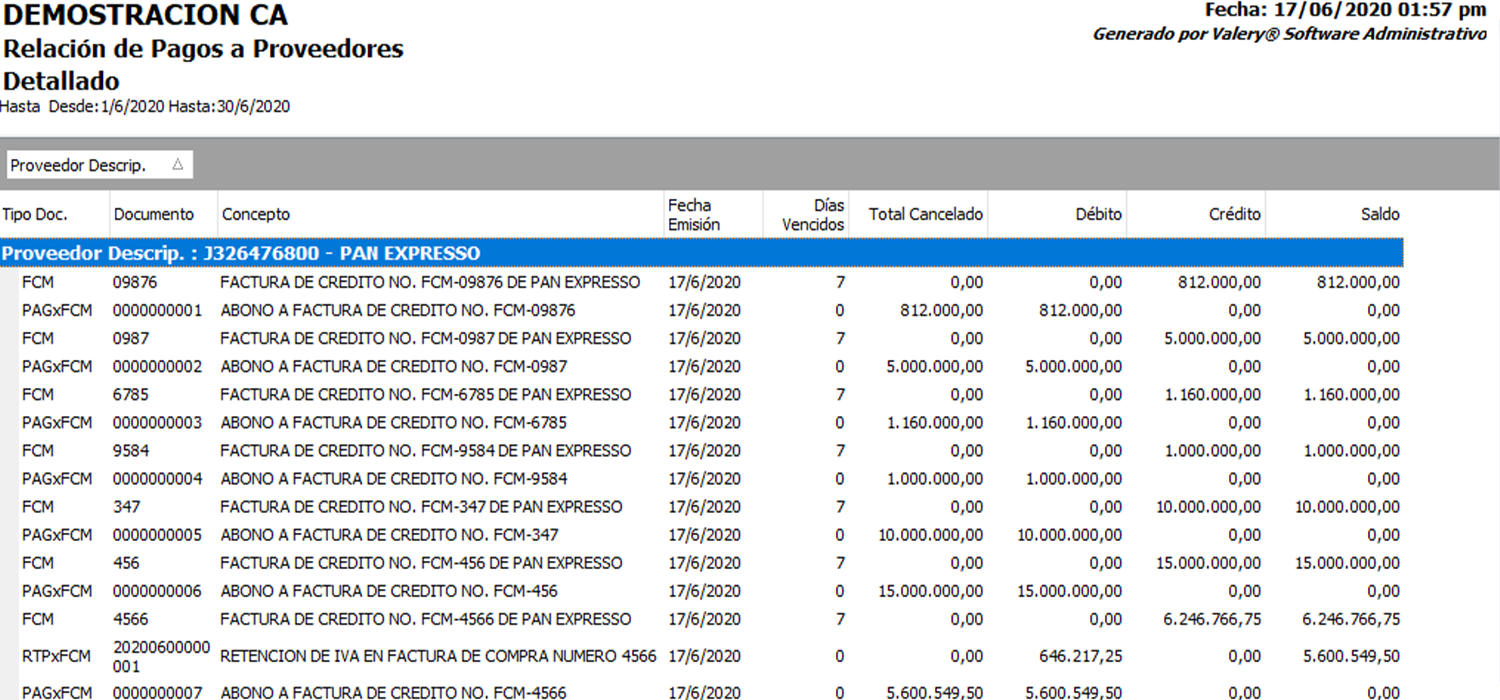
Valery® Estándar está diseñada para empresas que están comenzando y donde se requiere controlar básicamente las ventas, la compras y los inventarios de productos terminados.
AGENDAR DEMO EN VIVOValery® Estándar está diseñada para empresas que están comenzando y donde se requiere controlar básicamente las ventas, la compras y los inventarios de productos terminados.
AGENDAR DEMO EN VIVO








: Structures like Newgrange in Ireland or Çatalhöyük in Turkey are viewed as "artificial caves" or vortices that allowed elites to bridge the gap between these cosmic layers and assert social power. Key Comparisons
The authors bridge two distinct regions to show how these neurological patterns manifested:
: Rituals involving dance, rhythmic sound, or hallucinogens allowed people to enter trances. The authors suggest that common "entoptic phenomena" (geometric patterns seen during trances) influenced the spirals and zigzags found in megalithic art.
: The authors propose that Neolithic people perceived the cosmos in three layers: an underworld (realm of the dead), the surface (realm of the living), and a sky world (realm of the gods).
: Focuses on massive stone monuments (megaliths) and tombs that mapped cosmology onto the physical landscape. Critical Perspective
: Focuses on early mud-brick settlements, plastered skulls, and the transition to social complexity.
In their book Inside the Neolithic Mind , authors David Lewis-Williams and David Pearce explore how the hardwired structure of the human brain shaped the belief systems, art, and social structures of the Neolithic period. They argue that common neurological patterns explain why diverse cultures, from the Near East to Western Europe, produced remarkably similar religious imagery and monuments. Core Concepts of the Neolithic Mind
¡Nos adaptamos a tu empresa!, por eso te ofrecemos herramientas integradas que te permiten personalizar y crear nuevas pantallas para mejorar tus procesos de ventas e inventarios.
: Structures like Newgrange in Ireland or Çatalhöyük in Turkey are viewed as "artificial caves" or vortices that allowed elites to bridge the gap between these cosmic layers and assert social power. Key Comparisons
The authors bridge two distinct regions to show how these neurological patterns manifested: Inside the neolithic mind : consciousness, cosm...
: Rituals involving dance, rhythmic sound, or hallucinogens allowed people to enter trances. The authors suggest that common "entoptic phenomena" (geometric patterns seen during trances) influenced the spirals and zigzags found in megalithic art. : Structures like Newgrange in Ireland or Çatalhöyük
: The authors propose that Neolithic people perceived the cosmos in three layers: an underworld (realm of the dead), the surface (realm of the living), and a sky world (realm of the gods). : The authors propose that Neolithic people perceived
: Focuses on massive stone monuments (megaliths) and tombs that mapped cosmology onto the physical landscape. Critical Perspective
: Focuses on early mud-brick settlements, plastered skulls, and the transition to social complexity.
In their book Inside the Neolithic Mind , authors David Lewis-Williams and David Pearce explore how the hardwired structure of the human brain shaped the belief systems, art, and social structures of the Neolithic period. They argue that common neurological patterns explain why diverse cultures, from the Near East to Western Europe, produced remarkably similar religious imagery and monuments. Core Concepts of the Neolithic Mind