 Home
Home睿能全成型
全成型无缝针织由一根或数跟纱线,用针织横机一次性编织出整件毛衫产品,整体线条优美、流畅,上身更柔软、舒适、轻盈
 400-0898-188
 Subsidiary Of The Group
The repetition of the word "frumoasă" (beautiful) serves as a rhythmic and emotional anchor. The narrator expresses a sense of paralysis or enchantment when faced with the "mândruță" (a diminutive, affectionate term for a young woman).
The song gained widespread popularity through the "Golden Age" of Romanian folk music. Artists like brought a refined, "romance" style to the track, making it a staple of urban salon music and rural festivities alike. It represents a period where folk music bridged the gap between peasant traditions and the emerging middle-class appreciation for national identity. V. Conclusion
Traditional versions utilize the țambal (cimbalom), vioară (violin), and acordeon (accordion). The violin often mimics the vocal "sighs" of the singer, enhancing the sentimental atmosphere.
"Când te văd mândruțo așa de frumoasă" remains a vital piece of the Romanian musical canon. Its enduring appeal lies in its simplicity and its ability to tap into universal feelings of romantic awe. By romanticizing the rural landscape and the figures within it, the song serves as a lyrical monument to a bygone era of Romanian courtship.
The song "Când te văd mândruțo așa de frumoasă" represents a cornerstone of the Romanian doina and cântec de petrecere (party song) traditions. This paper examines the lyrical themes of adoration, the use of nature-based metaphors, and the song's role in preserving the rural romantic aesthetic of 20th-century Romania, particularly through the lens of legendary performers like Maria Tănase and Ion Luican. I. Introduction


Integrating process design, image processing, pattern design with various modules, this product can improve working efficiency from customer order to data generation and offer advanced drawing software for the textile industry.
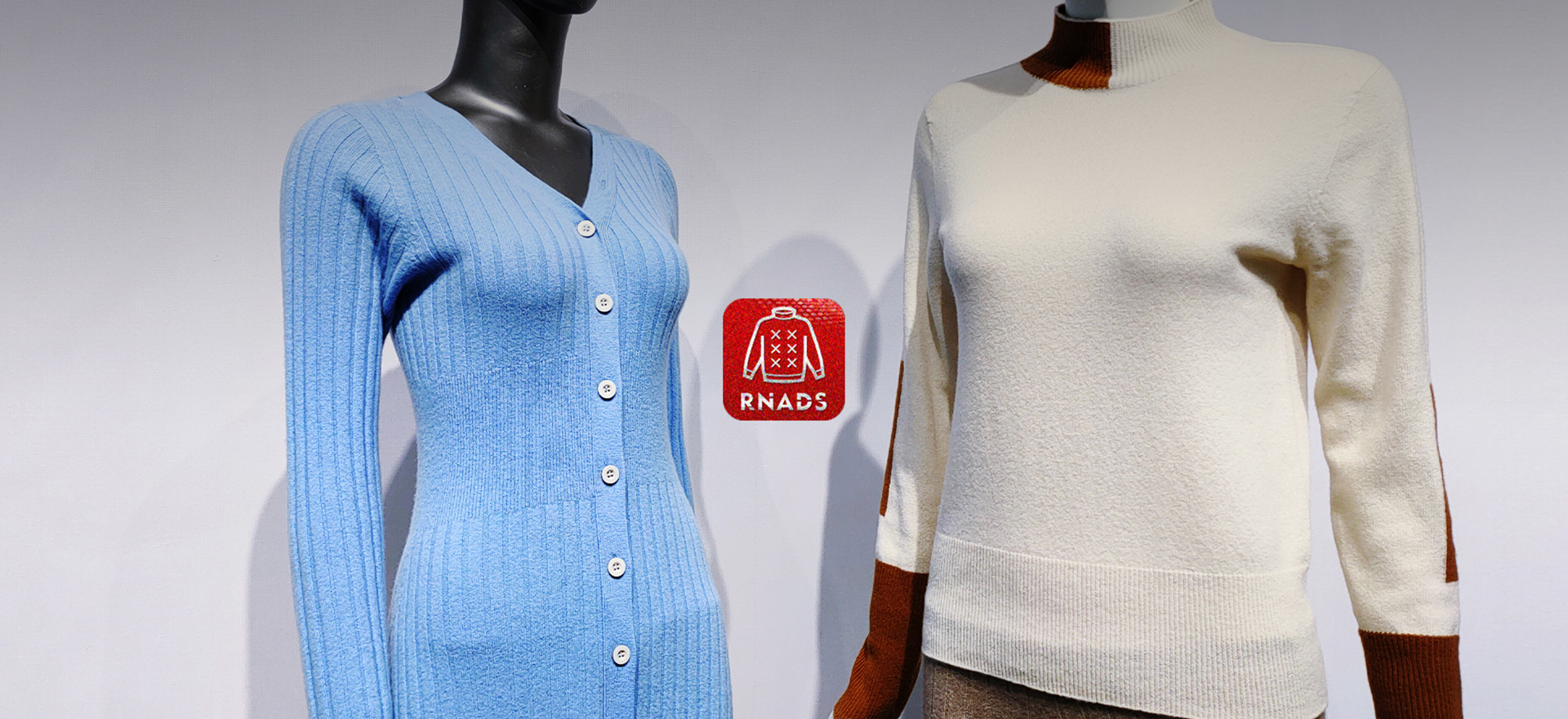
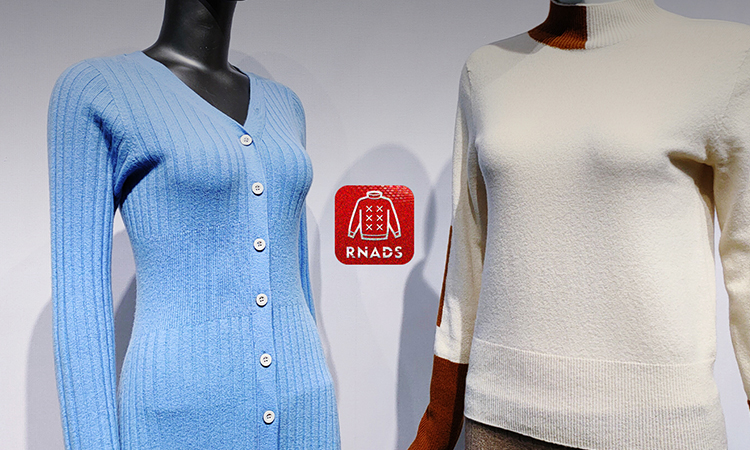
全成型无缝针织由一根或数跟纱线,用针织横机一次性编织出整件毛衫产品,整体线条优美、流畅,上身更柔软、舒适、轻盈

raglan sleeve
Polo.
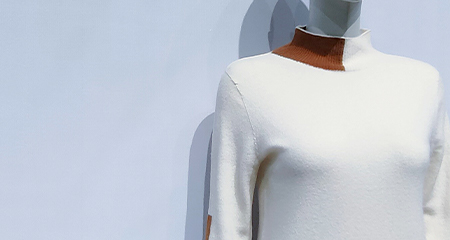
The system supports a great variety of styles and keeps pace with the fashion trend of whole garment knitting.
The system provides a variety of modules and reduces the threshold of whole garment plate making.
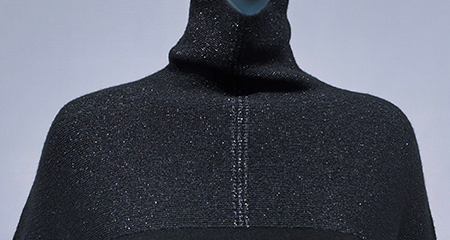
The system offers plate making of double-needle-bed and four-needle-bed machines for richer whole garment patterns.
The system supports plate making for a number of models (such as auto run and rake) to help user make more whole garment patterns.
If no model is available, the user can create their own model in the system.


系统支持多种花型文件转换,直接上机
The repetition of the word "frumoasă" (beautiful) serves as a rhythmic and emotional anchor. The narrator expresses a sense of paralysis or enchantment when faced with the "mândruță" (a diminutive, affectionate term for a young woman).
The song gained widespread popularity through the "Golden Age" of Romanian folk music. Artists like brought a refined, "romance" style to the track, making it a staple of urban salon music and rural festivities alike. It represents a period where folk music bridged the gap between peasant traditions and the emerging middle-class appreciation for national identity. V. Conclusion
Traditional versions utilize the țambal (cimbalom), vioară (violin), and acordeon (accordion). The violin often mimics the vocal "sighs" of the singer, enhancing the sentimental atmosphere.
"Când te văd mândruțo așa de frumoasă" remains a vital piece of the Romanian musical canon. Its enduring appeal lies in its simplicity and its ability to tap into universal feelings of romantic awe. By romanticizing the rural landscape and the figures within it, the song serves as a lyrical monument to a bygone era of Romanian courtship.
The song "Când te văd mândruțo așa de frumoasă" represents a cornerstone of the Romanian doina and cântec de petrecere (party song) traditions. This paper examines the lyrical themes of adoration, the use of nature-based metaphors, and the song's role in preserving the rural romantic aesthetic of 20th-century Romania, particularly through the lens of legendary performers like Maria Tănase and Ion Luican. I. Introduction
 400-0898-188

Raynen

Raynen Intelligence Control


